Indian Collectors Art

Study III · Records

Provenance & record.

Specialists read the documents surrounding a work with the same attention they give the object. Five records stand behind The Vase.

Why the record matters

In embroidery, makers are frequently anonymous and histories are lost. A work that can be connected to a named artist, a place, a period and a continuous line of ownership can be researched, compared and understood with far greater confidence.
I

A signature in thread

The work is embroidered at its base with the words Shams, Agra, India.

II

An official honour

The artist is listed in the Government of India's Padma Awards notification for 1989, for zari embroidery.

III

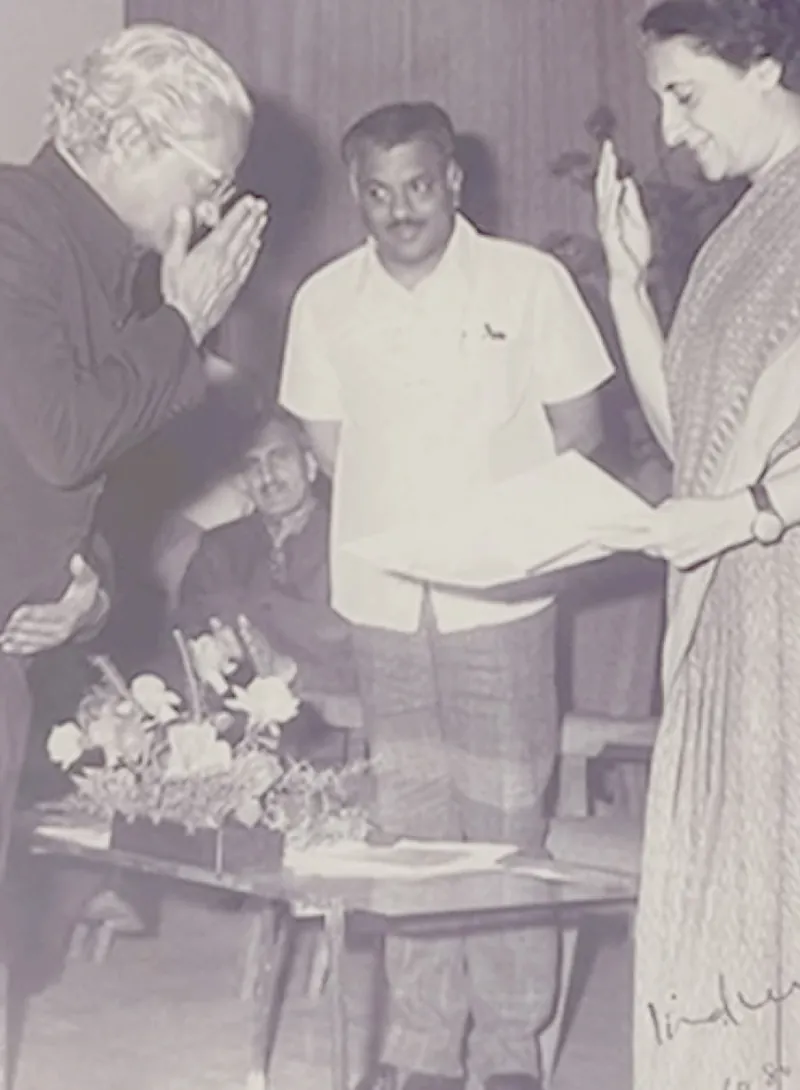
An archive photograph

The family archive holds a photograph identified as the artist receiving recognition from Indira Gandhi.

IV

A family declaration

A signed declaration of 23 February 2026 by Faizan Uddin, the artist's grandson, records authorship, completion in the 1970s, approximate making time, materials and ownership.

V

A line of ownership

According to the declaration, the work was commissioned and acquired by a private collector, passed to his son, and has never been publicly traded or auctioned.

Family archive photograph of Sheikh Shams Uddin with Indira Gandhi
Family archive · identified as the artist with Indira Gandhi

The limits of the record

What the documents do not say

The material descriptions and the estimated carat weight derive from the family and have not been independently tested. The declaration's figure of £5 to 10 million is a personal opinion, not a formal valuation or auction estimate.

Examination by a specialist would be the natural next step towards any formal appraisal.